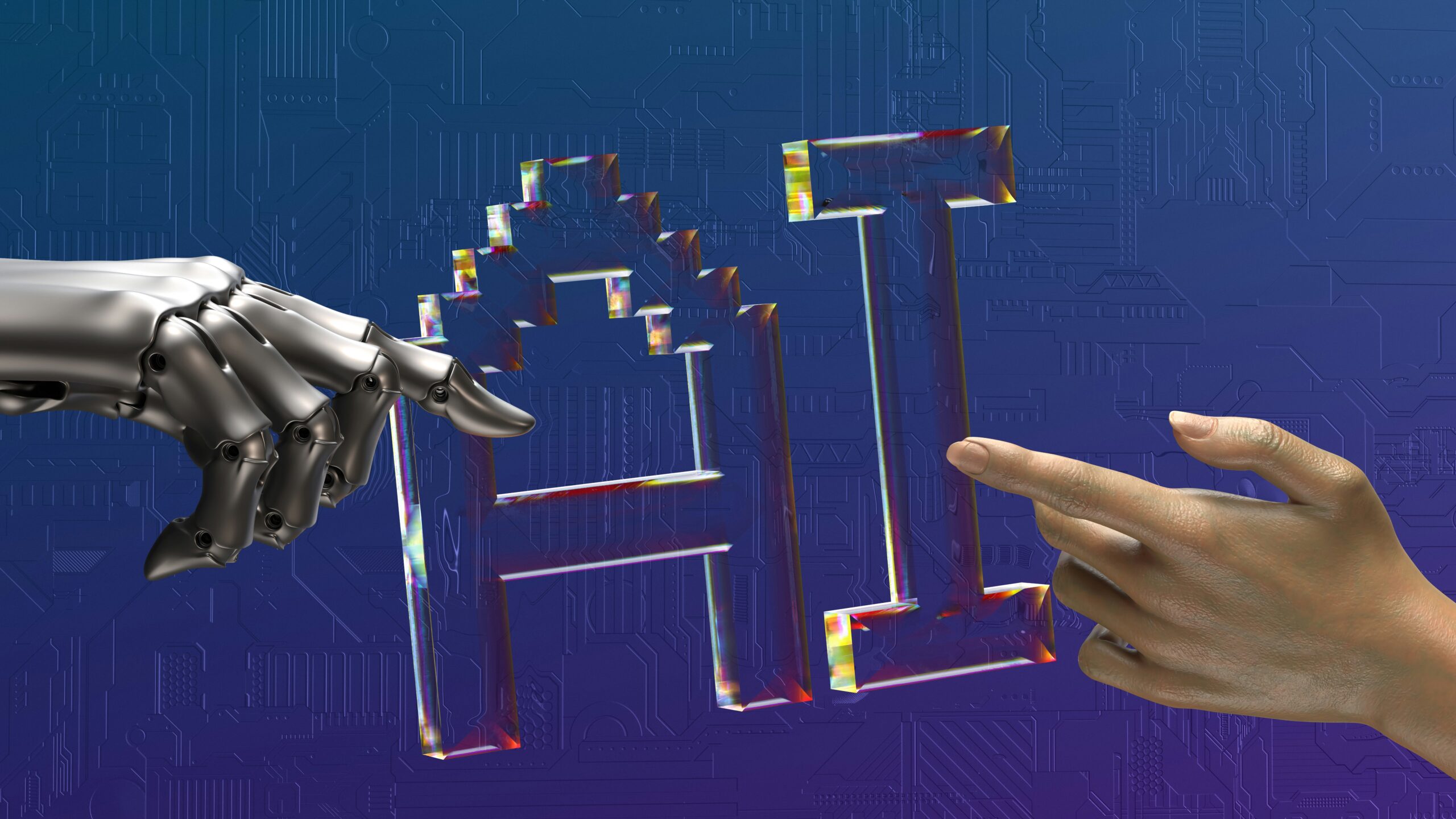
The rapid introduction of artificial intelligence into daily operations has left many managers reexamining their obligations. Where once they relied on monitoring output or assigning tasks, AI-driven tools now handle data analysis, workflow oversight, and even elements of resource coordination. This shift raises a pressing question: what remains essential in the role of management? For leaders in high-autonomy cultures, the answer lies not in clinging to old responsibilities but in adapting to functions that technology cannot replace—clarity of purpose, trust-building, and the cultivation of judgment across the workforce.
Evolving Responsibilities
Reshaping managerial work begins with alignment; teams that operate with significant independence still require a clear understanding of how their efforts align with broader objectives. Managers now focus less on issuing step-by-step directions and more on defining strategic priorities in a way that empowers employees to chart their own course. This subtle but critical shift moves leaders from taskmasters to navigators who establish orientation without constraining initiative.
As more organizations adopt autonomy, the capacity to refine and expand skillsets becomes essential. Influence now stems less from title and more from expertise, credibility, and access to networks. Leaders who succeed in this context offer value by guiding problem-solving, mentoring decision-making, and ensuring that employees feel confident acting without constant supervision. These functions preserve momentum while fostering growth, creating an environment where freedom operates alongside accountability.
Cultural stewardship has also become a defining aspect of leadership in this new model. Autonomy thrives only when shared norms remain intact. Managers reinforce these principles not through rigid enforcement but through modeling behaviors and integrating them into everyday practices. Their presence ensures that as freedom expands, cohesion does not erode.
Continuous Adaptation
AI may have accelerated the conversation, but the evolution of management roles reflects a broader pattern of adjustment that has defined leadership for decades. Every wave of technological or organizational change has required leaders to shed outdated responsibilities and embrace new ones. AI represents another chapter in that ongoing process.
Leadership endures by adapting, and managers who see autonomy and AI as opportunities will continue to play indispensable roles; their work now centers on anchoring purpose, cultivating expertise, and protecting culture – responsibilities that no algorithm can replicate. In this way, the current moment is less a disruption than a reminder of what has always been a cornerstone of effective leadership: the willingness to evolve in service of the teams and organizations they guide.